
For hotels, food businesses, farms and landscapers
Send your organic waste somewhere useful.
We turn food waste, manure and garden trimmings into insect protein and organic fertiliser at our Hub near Bau, so less of it ends up in landfill.
Why it matters
Organic waste left unmanaged does real harm.
Every load that reaches the Hub is a load that does not do this.
Polluted soil and water
Nutrients and pathogens run off into groundwater and rivers.
Greenhouse gases
Waste that breaks down with no control gives off methane and ammonia.
Flies and odour
Open heaps smell and breed flies and other pests.
Fire risk
Dry garden waste dumped in a dry spell can start forest fires.
Lost nutrients
Nitrogen, phosphorus and organic matter that could feed the soil are thrown away.
Who we work with
Food, farm and garden waste.
Hotels, restaurants and food retailers
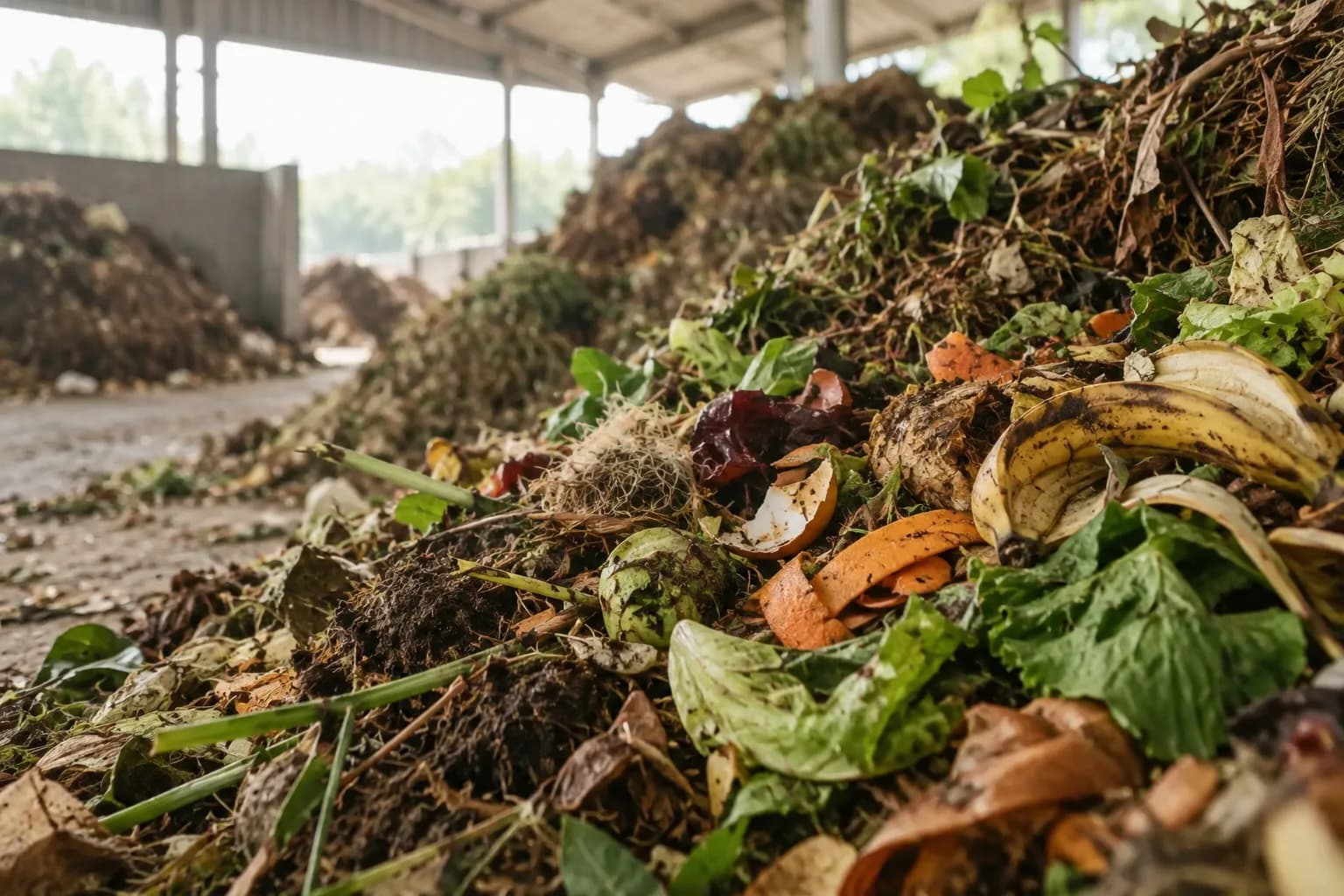
Pre-consumer food waste, kitchen trimmings, and expired or unsold food from supermarkets and bakeries.
Farms
Poultry manure, the Hub’s main feedstock, turned into larvae feed and compost.
Landscapers and councils
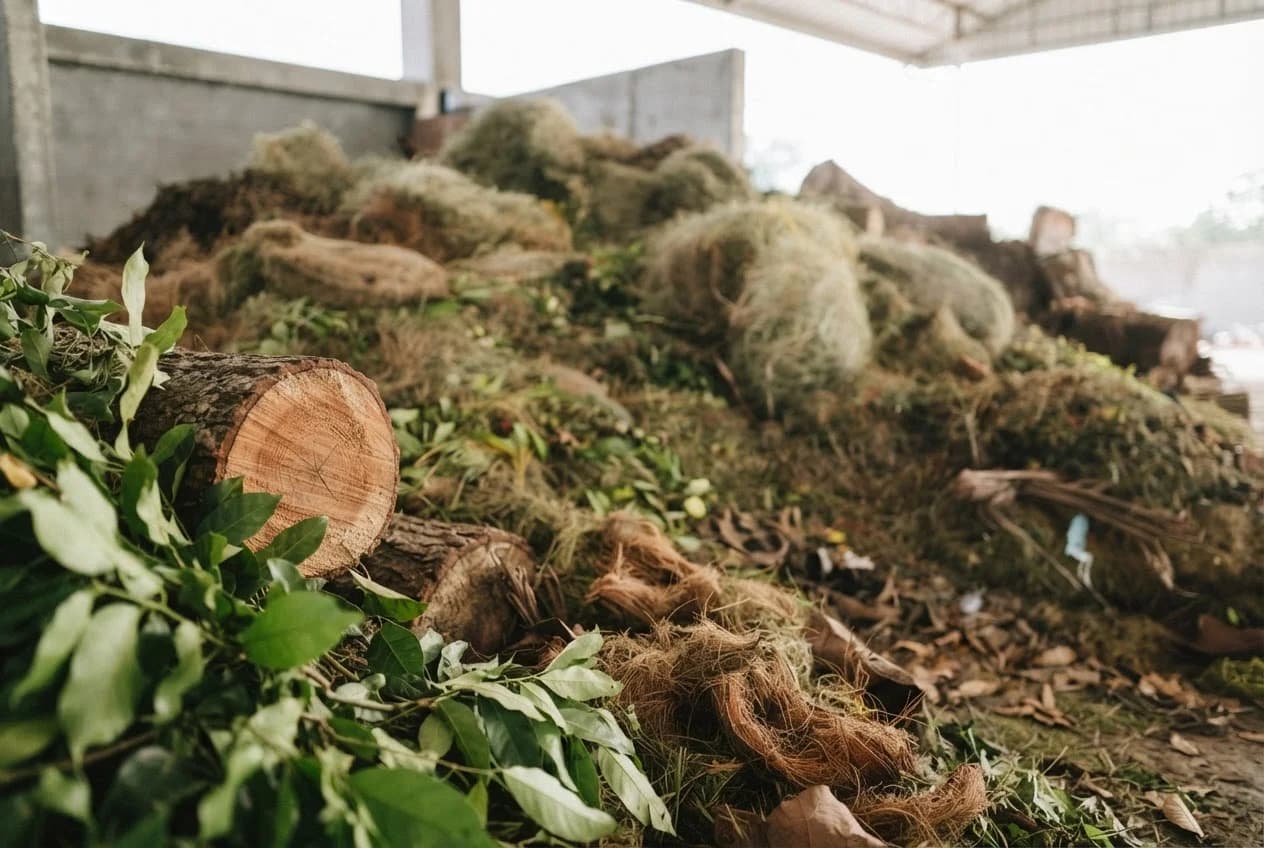
Grass, leaves, trimmings, prunings and branches, chipped into the carbon our compost needs.
What happens to it
Your waste becomes feed and fertiliser.
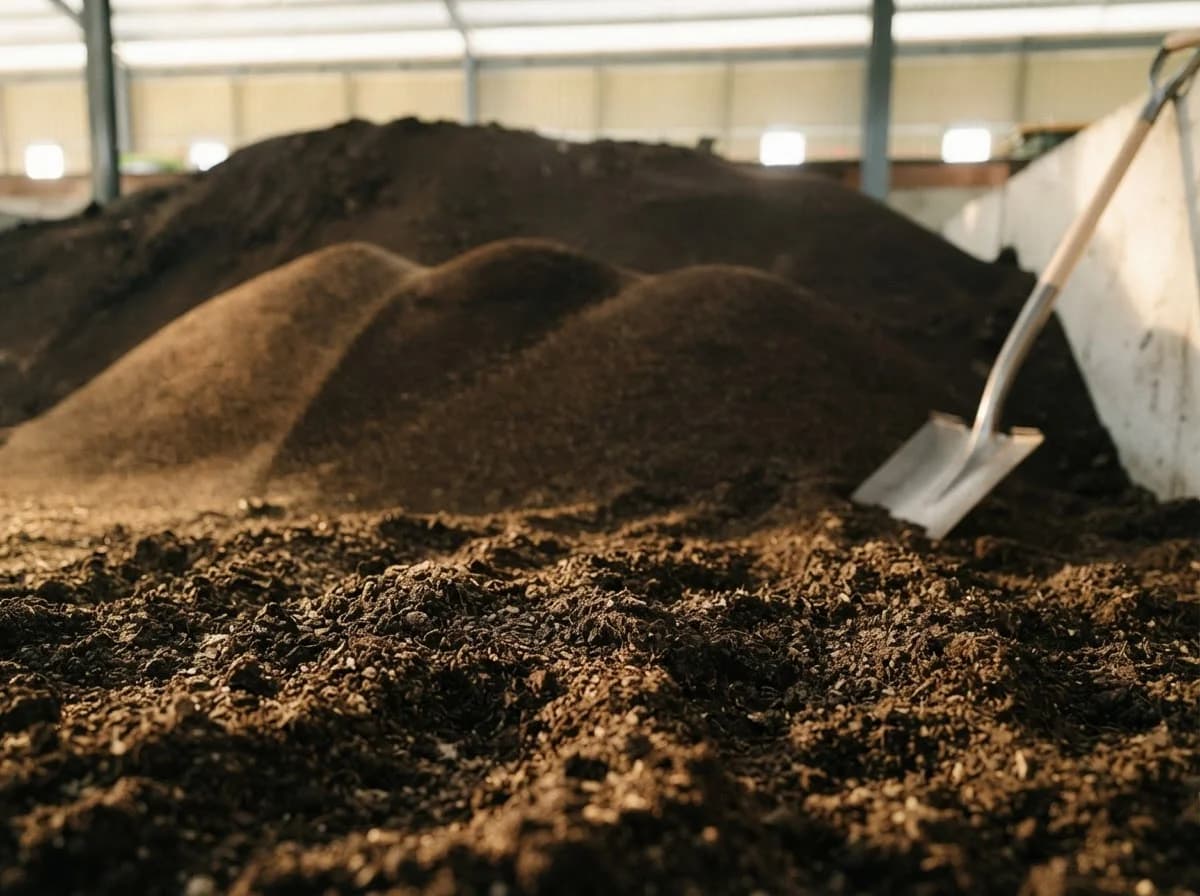
Black Soldier Fly larvae eat the food waste and manure and grow into insect protein. What they leave behind, called frass, is composted with chipped green waste into organic fertiliser.
Before you send
What we can and cannot take.
We accept
- Food waste and kitchen trimmings
- Expired or unsold food (we remove packaging by hand)
- Poultry manure
- Grass, leaves, trimmings and branches
We do not accept
- Plastics, glass, metals and other non-organic waste
- Human, medical or other hazardous waste
How it works for you
Simple to set up, easy to report on.
- 01
Tell us what you have
The type of waste, roughly how much, and how often.
- 02
Agree a schedule
We work out with you how and when it reaches the Hub.
- 03
Every load is weighed
Our weighbridge records each load as it arrives.
- 04
Get a monthly report
A record of how much waste you kept out of landfill, ready for your sustainability or ESG reporting.